Technical Production & Exhibit Architecture:
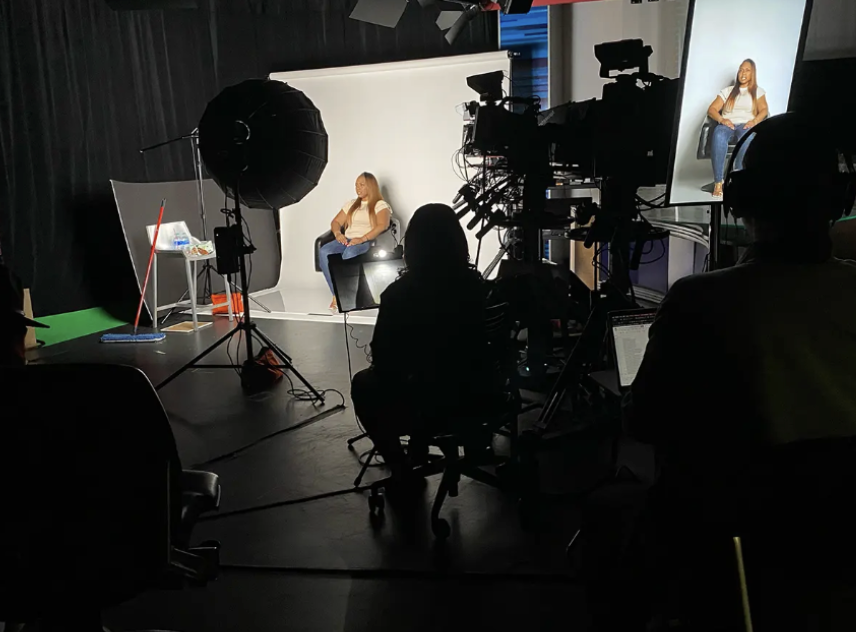
In my role at the USC Digital Repository and the USC Shoah Foundation, I helped bridge the gap between historical preservation and future-forward media. My work centered on the end-to-end development of interactive exhibits that leverage conversational AI and holographic displays to create a sense of "digital presence" for users. I contributed to managing the full lifecycle of these projects—from pre-production logistics and on-set production for high-fidelity testimony capture to post-production refinement. I assisted in the deployment of these experiences across various hardware configurations, including large-scale vertical displays and holographic installations currently showcased in museums and institutions from New York to Los Angeles.
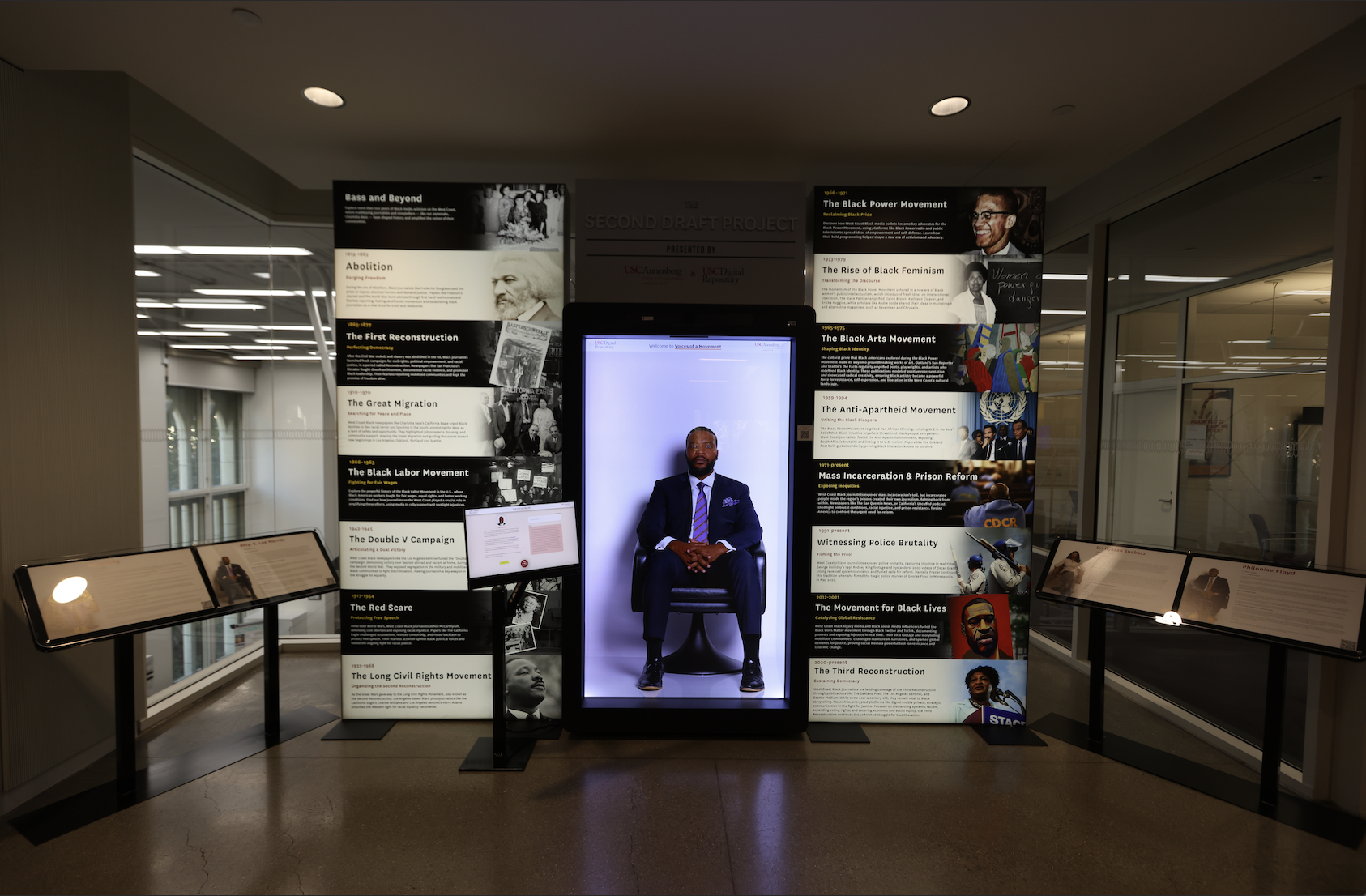

UX/UI Design & Conversational AI Integration:
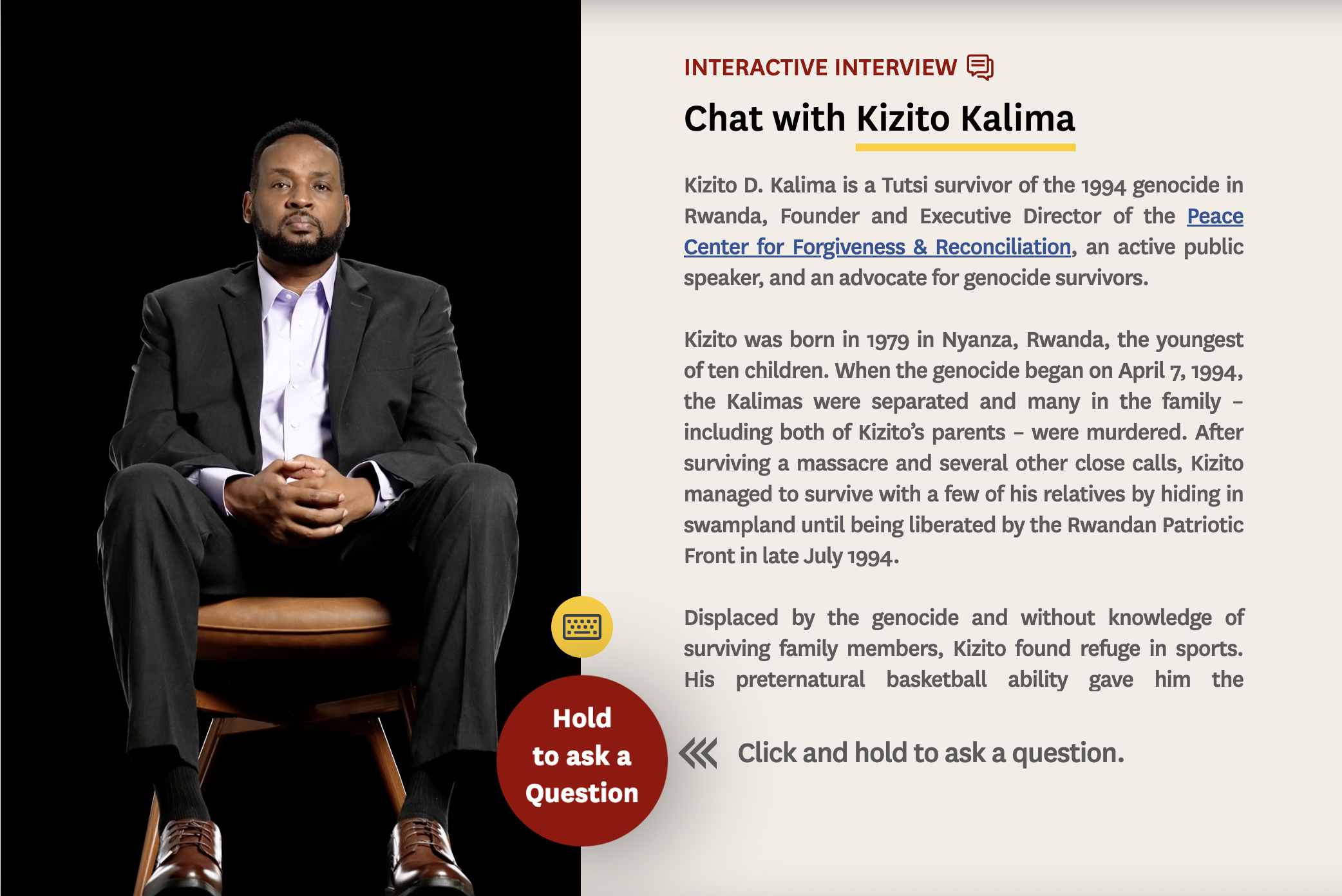
To ensure a seamless guest experience, I helped led the UX/UI design and testing for the interactive touchpoints that facilitate user engagement. This involved architecting the interface where users read transcripts, explore biographies, and record questions for the AI-driven subjects. I specialized in the technical "logic" of these interactions, training and fine-tuning conversational models—including Avaamo, DialogFlow, and proprietary in-house engines—to ensure the system could accurately interpret human intent and deliver the most impactful, pre-recorded responses. My focus was on reducing friction between the user and the technology, ensuring the interface remained invisible so the narrative could take center stage.
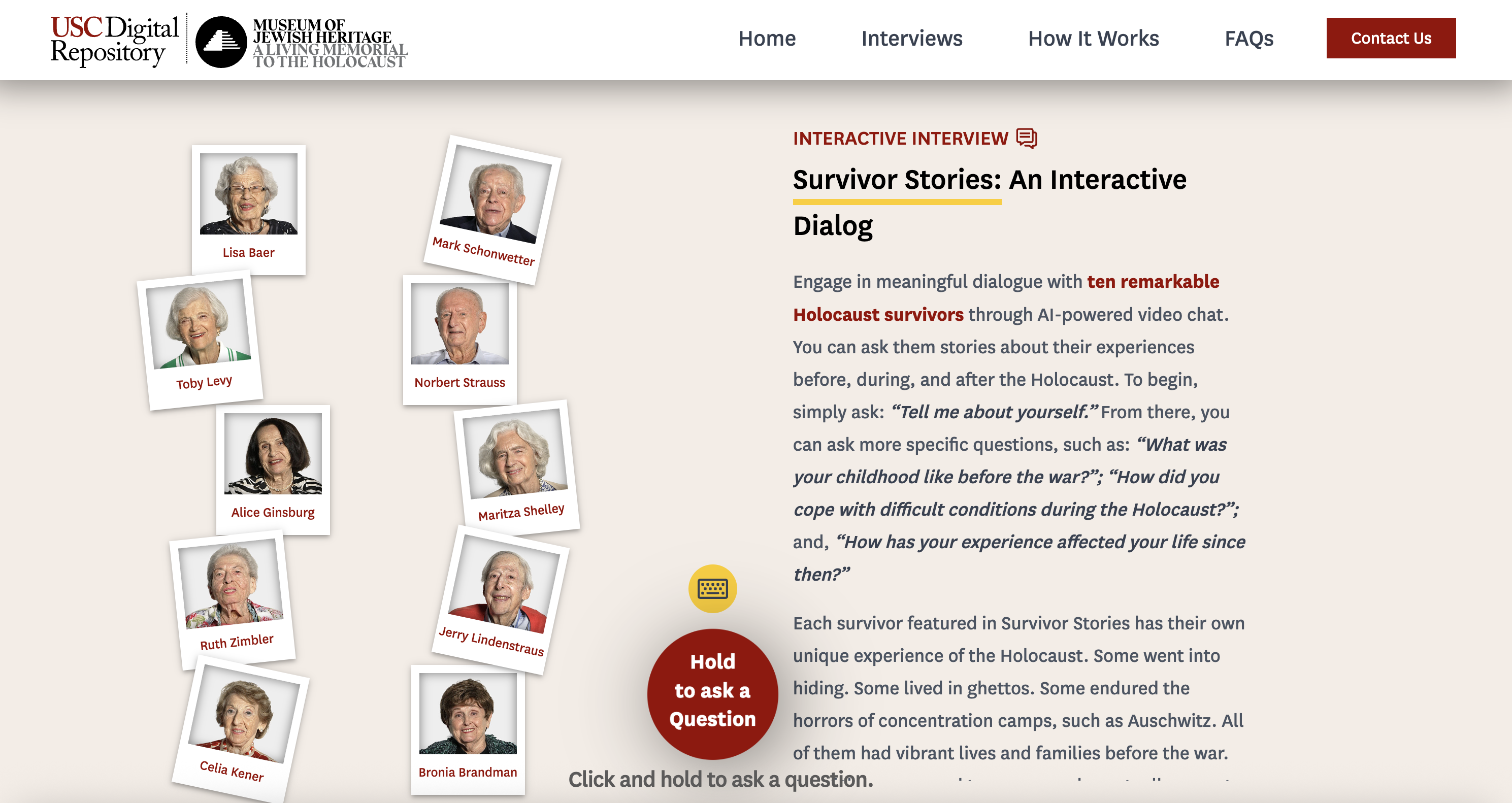
To start interacting, visit: https://interviews.usc.edu/
Event Strategy & Experience Premiere:
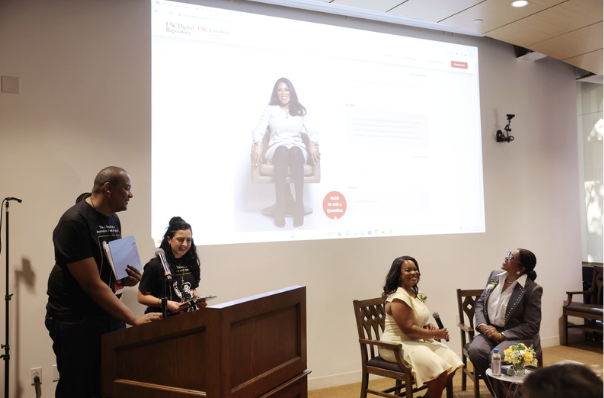
Most recently, I contributed to the technical demonstration and social media promotion for a high-profile launch through the USC Annenberg Charlotta Bass Lab. This event featured Ambassador Ilyasah Shabazz and Lora King, providing a live platform to debut our latest interactive prototypes. I assisted in the presentation and real-time troubleshooting of the speech-and-text input systems, allowing attendees to engage in one-on-one "conversations" with these activists. By successfully blending live event production with interactive technology, our team demonstrated how immersive exhibits can amplify marginalized voices, fostering a deeper, visceral connection between the audience and the story.
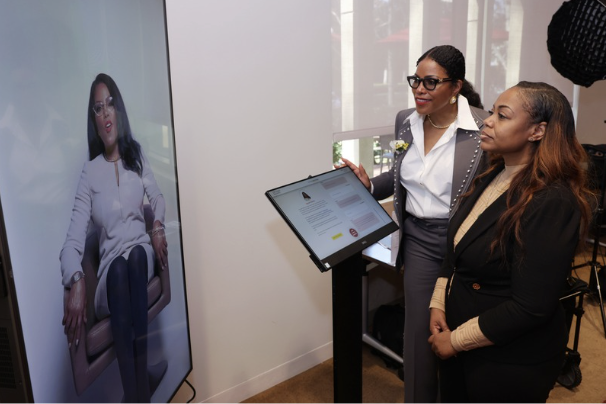

The digital repository has primarily focused on interviewing survivors of historical atrocities and leaders in the fight for social justice, ranging from Holocaust and Rwandan genocide survivors to the family members of victims of police brutality. By featuring individuals like civil rights activists, legal experts, and those who lived through systemic violence, the project aims to preserve first-hand accounts of resilience and the ongoing struggle for human rights.
By leveraging advanced conversational AI and immersive display technologies, this project transforms passive archives into active, educational encounters that bridge the gap between history and contemporary social discourse. My work in refining the AI's responsiveness and overseeing the exhibit's technical deployment ensures that these vital testimonies remain accessible, fostering a deep, empathetic connection between the audience and the witnesses to history. This synthesis of human-centered design and cutting-edge media not only preserves these narratives for future generations but also empowers the public to engage directly with the lessons of resilience and justice.