Designing Presence: Immersive VR for Neuro-Narrative
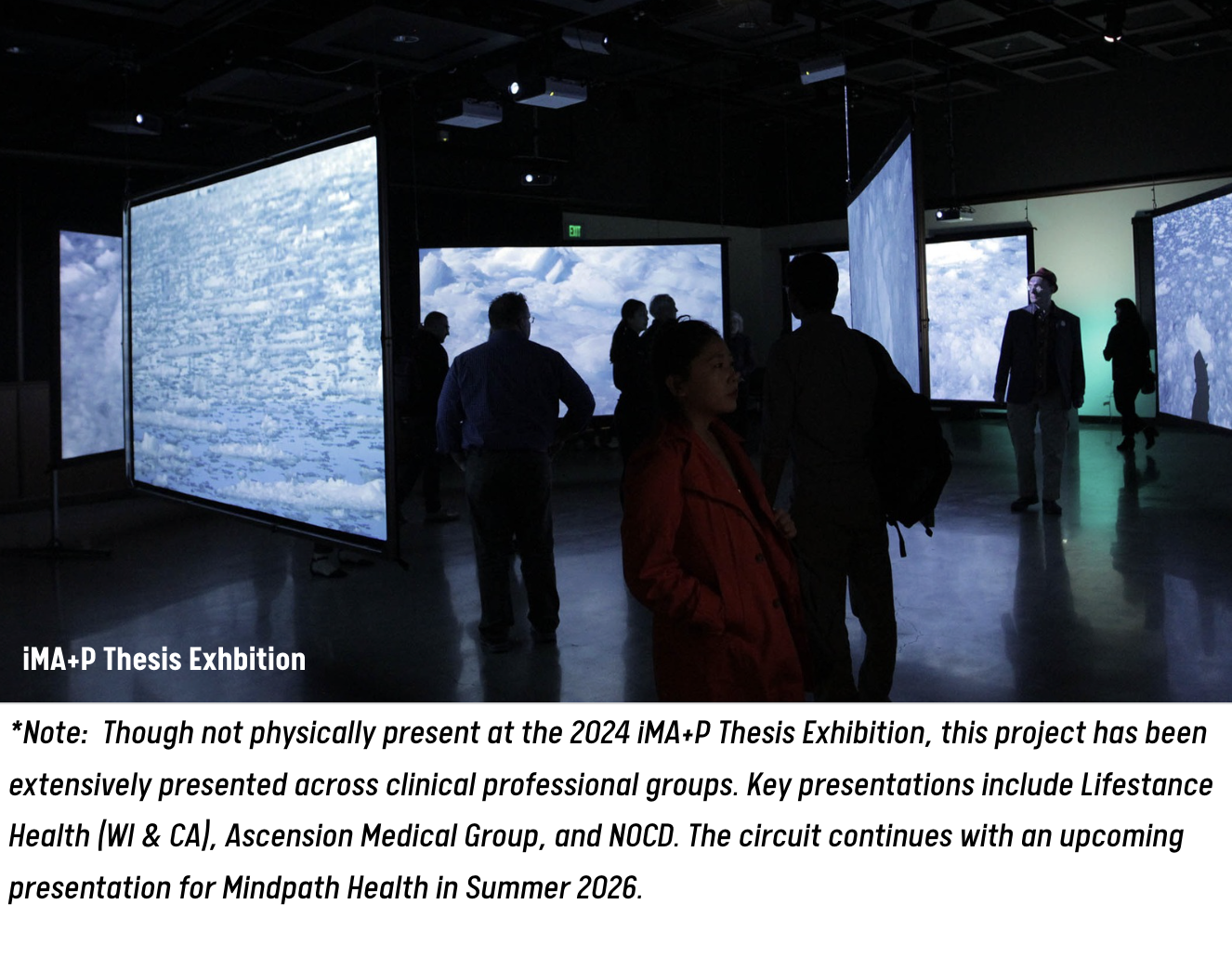
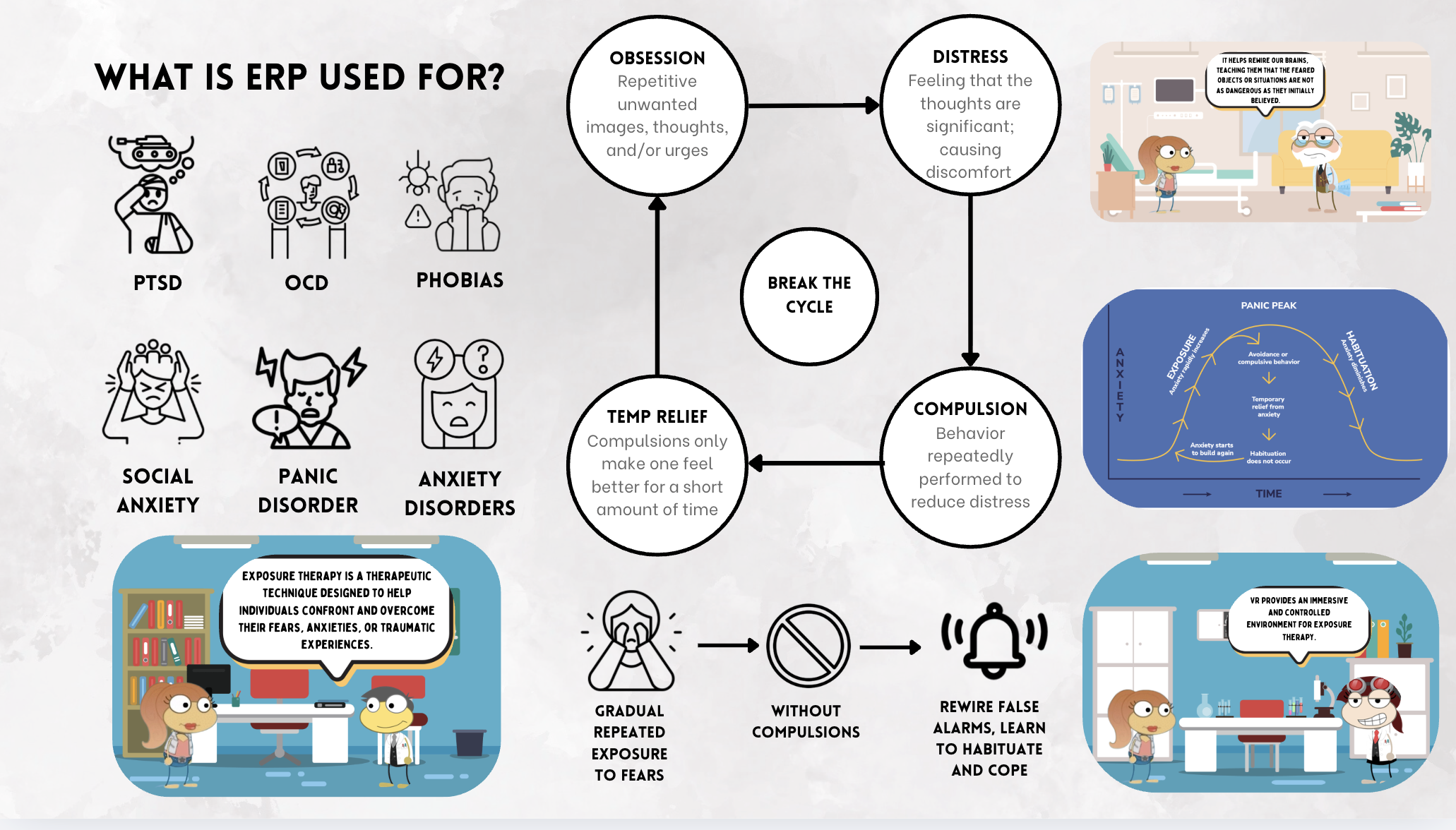
In my senior thesis for the USC School of Cinematic Arts, I engineered a high-stakes, multi-sensory exhibition that merged Virtual Reality with Exposure Response Prevention (ERP) therapy. This project moved beyond theoretical research into a tangible, museum-grade public exhibition where I served as the Technical Director and Experiential Designer. I architected a strategic "Guest Journey" that transitioned visitors through varying levels of intensity—starting with tactile analog materials and informational media, eventually culminating in a dedicated VR "Impact Zone" where I used OpenAI-integrated mock patient profiles to simulate real-world therapeutic outcomes.
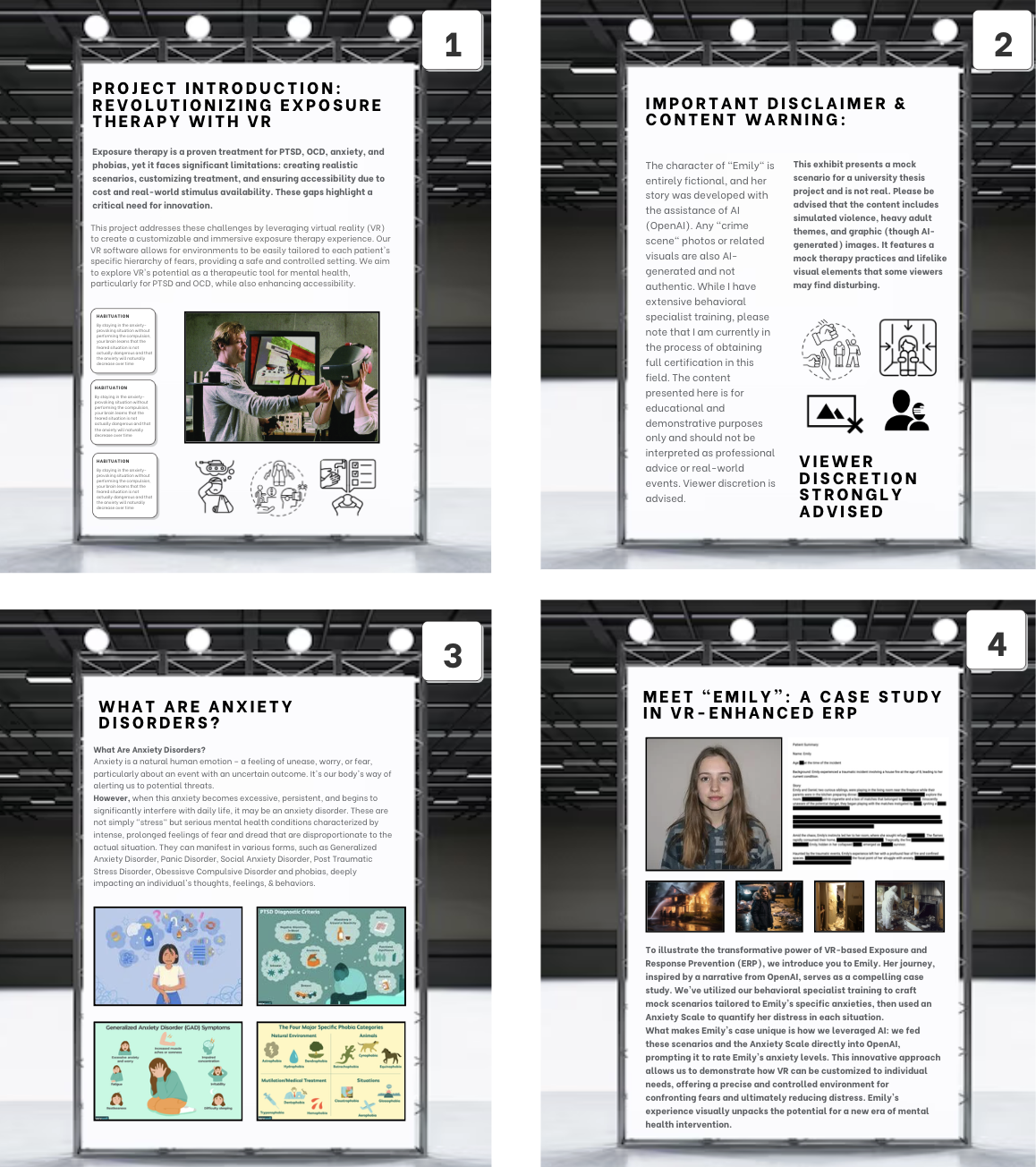
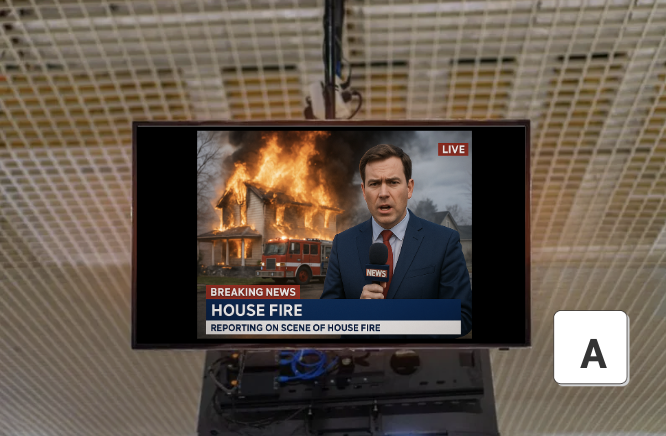
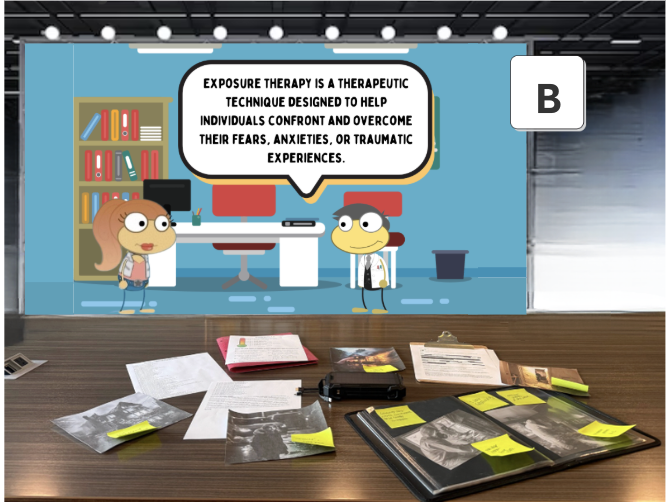
On the technical and creative side, I developed a sophisticated narrative framework centered on "Emily," a fictional patient profile I generated using AI to demonstrate personalized therapy. I utilized 3D modeling and real-time engine workflows to build a library of interactive exposures, ranging from low-anxiety environments to high-fidelity fire-related scenarios and claustrophobic spaces. To guide the audience through this complex data, I produced a series of informational videos shown on integrated monitors and designed custom environmental signage that walked guests through the project's mechanics. By mapping these assets to a rigorous "Fear Hierarchy," I proved that immersive media can do more than entertain—it can retrain the human brain through controlled, simulated presence.
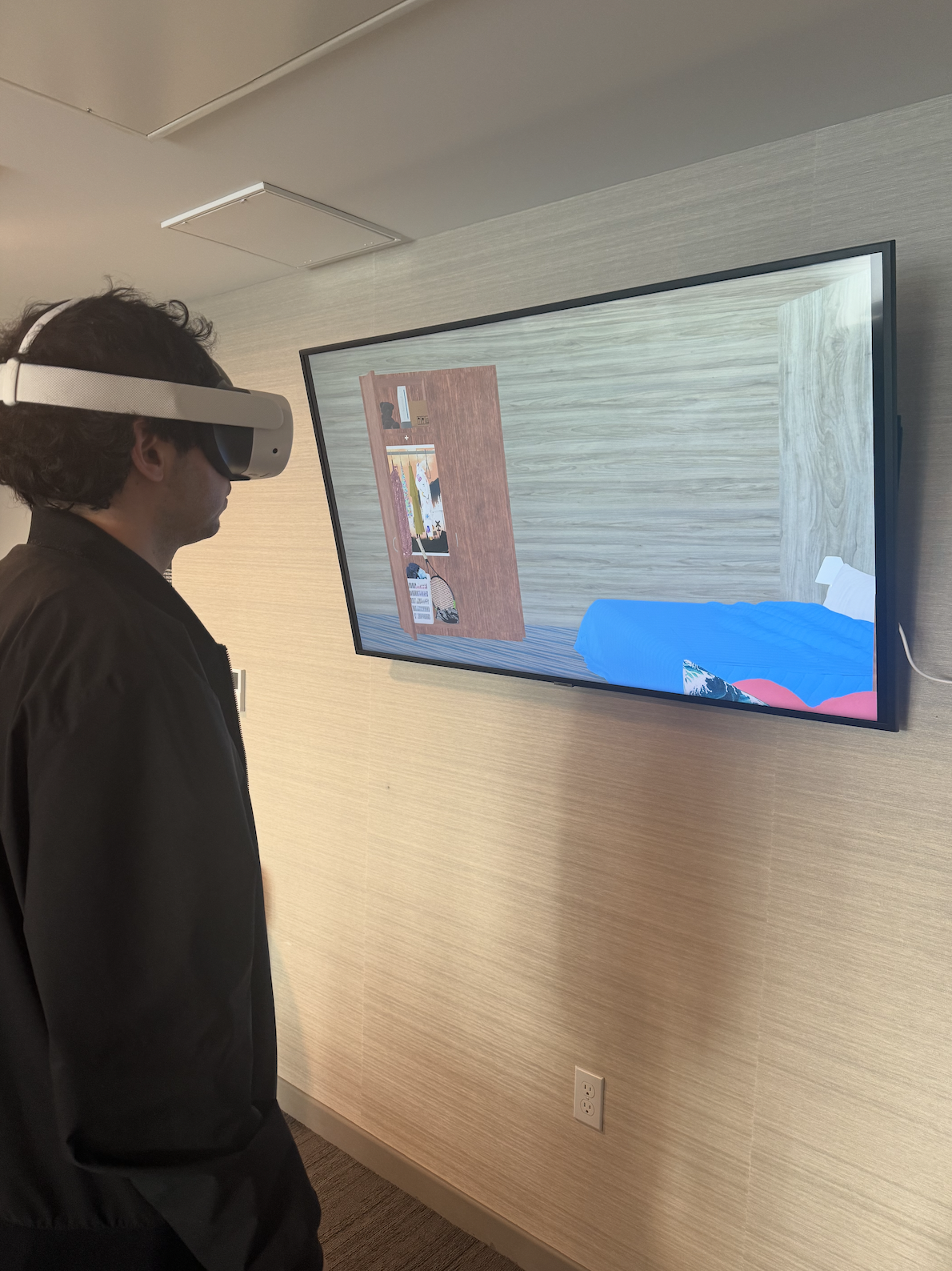
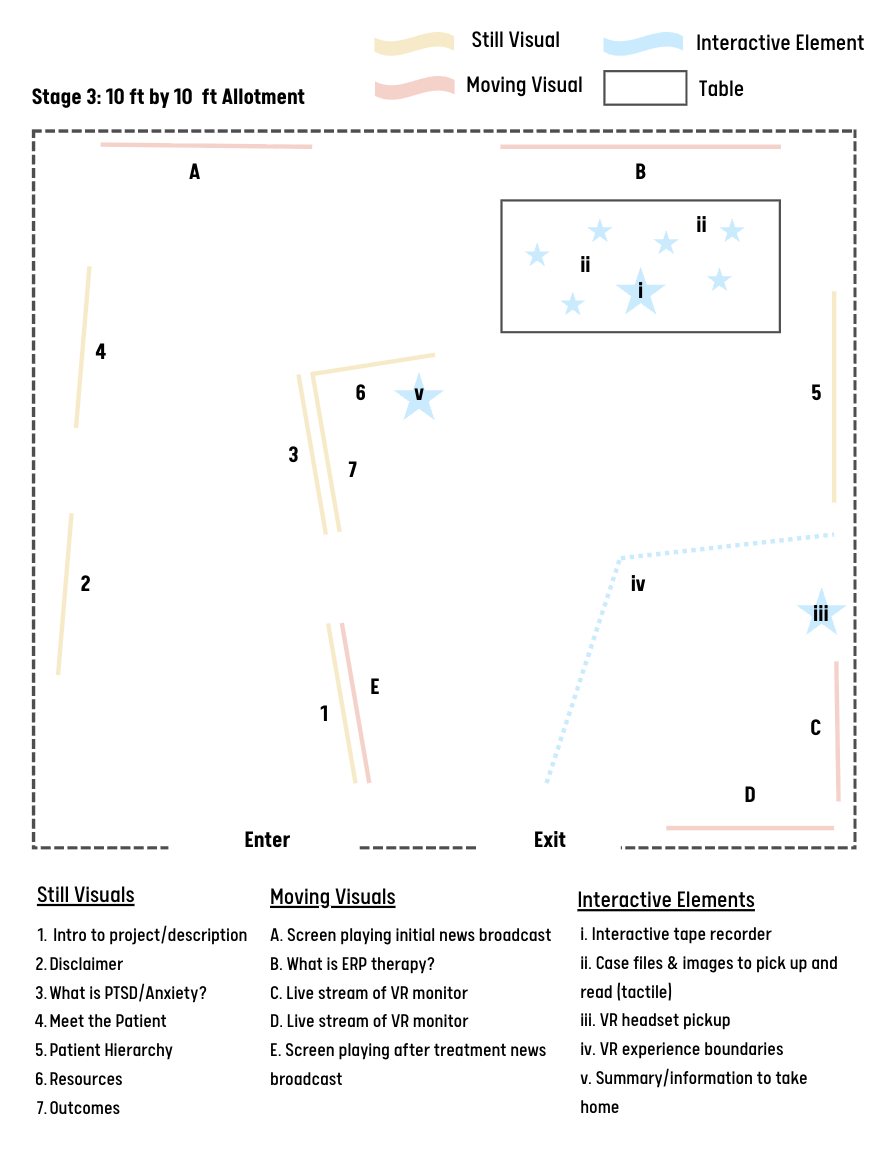
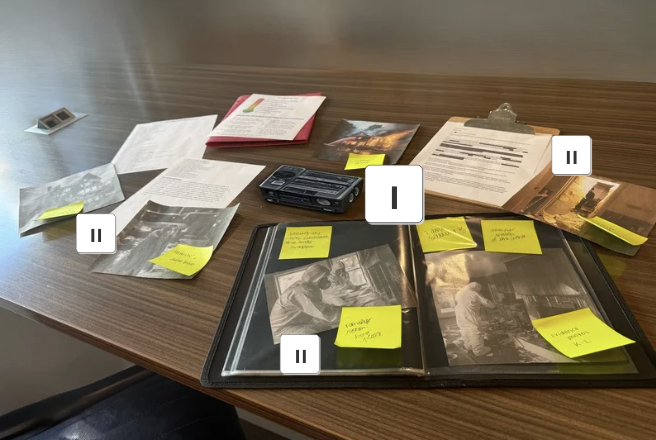
The physical exhibit was a masterclass in spatial storytelling and exhibit architecture, utilizing a "Loft-by-Loft" allotment to control the narrative flow. I designed the UX/UI of the interactive stations to mimic a clinical environment, incorporating interactive audio recordings of therapy sessions and physical "evidence" folders to pull the viewer deeper into the narrative world. While guests engaged with the VR headsets, I managed live-streamed monitor feeds that allowed the broader audience to observe the experience in real-time. This project exemplifies my ability to manage a complex product lifecycle—from initial AI training and 3D asset creation to the final deployment of a high-impact, multi-media installation.
Software & AI Platforms Conversational AI & LLMs: OpenAI (for procedural patient generation and hierarchy rating) , Gemini , Avaamo , and DialogFlow. Creative Suite & Post-Production: Adobe Premiere (for informational video production) , Adobe InDesign (for environmental signage and layout) , Adobe Photoshop (for evidence photography and visual assets) , and Adobe Audition (for interactive audio excerpts). 3D Modeling & Animation: Maya , Blender , and Houdini. Real-Time Engines: Unity and Unreal Engine. Audio Engineering: Logic Pro and Librosa (for audio reconstruction/analysis). Web & Interface: Webflow (for digital portfolio and project deployment). Hardware & Physical TechImmersive Displays: VR Headsets (for interactive ERP demonstrations). Video & Monitoring: Multi-monitor video arrays (for informational videos and live-streamed VR feeds). Audio Hardware: Interactive tape recorder station (for session playback). Input Systems: Touch-screen computers (for transcript reading and user recording). Exhibit Infrastructure: Large-scale vertical TVs and mobile classroom displays. Tactile & Analog ToolsPhysical UX Assets: Redacted patient files and evidence photography. Educational Materials: Tactile case study documents and informational pamphlets.